
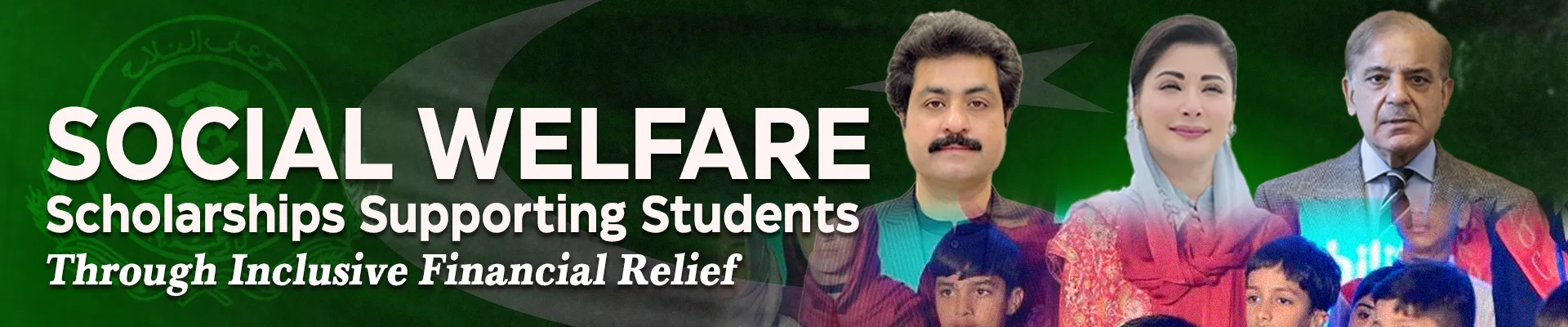






Education is a strong tool in the development of a country. Nevertheless, a high number of students in Pakistan are unable to pursue their education because of financial constraints. Increased cost of education, low household earnings and inequality in society are obstacles that do not allow gifted students to maximise their potential. This is where Social Welfare Scholarships in Pakistan are necessary. Such programs offer all-time financial help, education, and equality to students with different backgrounds. With the aid of the government, students get all the necessary resources to go on with their education and create a better future.
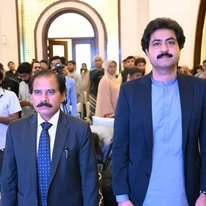
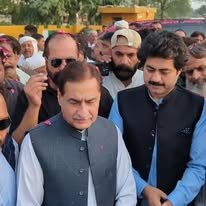
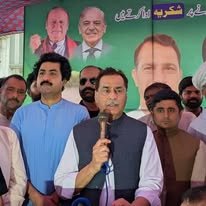
One minister who has made a significant contribution in the way access to education support programs are made is Sohail Shaukat Butt, who is the Minister of the Social Welfare Department. His work is aimed at equality, inclusion, and community building. He has also supported scholarship programs, which assist students irrespective of their religion, ethnicity and social status, alongside Bait ul Mal. These programs are meant to help minimize inequality in education and empower national development by empowering youth.
In this blog, the author examines the effects of the Social Welfare Scholarships in Pakistan, the contributions by Sohail Shaukat Butt, and the contributions made by Bait ul Mal in the provision of financial relief to the students. It also points out the role of including welfare policies in making stronger communities in various cities.
The Bait ul Mal in Student Financial Support
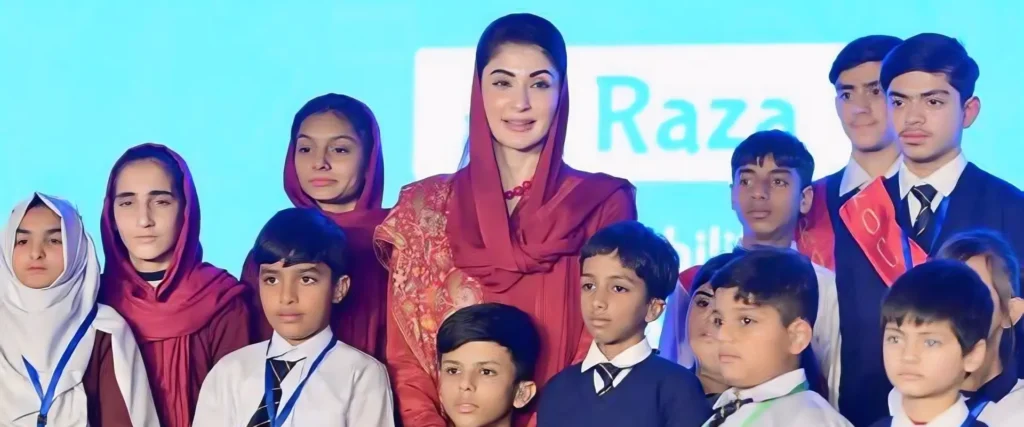
Bait ul Mal is at the forefront in providing funding to the needy communities. It offers social welfare, education funding and economic relief to families in Pakistan. In these institutions, Bait ul Mal assists students to cover their tuition fee, acquire academic supplies and cover living costs through well-organised scholarship programs.
Such scholarship programs are aimed at low-income households. The financial help is given based on merit, need and academic performance. This strategy gives poor students a chance to pursue their studies. Bait ul Mal also contributes to the programs of vocational training and skills development that enable the students to acquire the practical knowledge and employment preparation.
Bait ul Mal is involved in additional social development besides financial aid. Its education support program assists in diminishing the level of dropouts, enhancing literacy and empowering the workforce. Bait ul Mal promotes national development and economic stability by investing in the education of students.
Sohail Shaukat Butt and His Social Welfare Devotion
Sohail Shaukat Butt has created his own niche within the social welfare arena as a serious leader. His works are aimed at dealing with poverty, educating the community, and benefiting the community. Although he is the Minister of the Social Welfare Department, he prioritizes the programs that empower poor families and establish possibilities for students in need. His leadership is based on impartiality, accountability, and social contribution in the long term.
This has been among his priorities, ensuring that financial aid is provided to deserving students. He has assisted in increasing the coverage of scholarships in Pakistan by deepening his collaboration with Bait ul Mal and other institutions. These programs offer tuition aid, academic grants, and emergency financial aid. In such efforts, the number of students who will continue to stay in school and attain higher education will increase.
The leadership of Sohail Shaukat Butt has a wider view of social inclusion. His policies aim at equality in access to education and monetary relief. This makes sure that no student is deprived because of his/her inability to pay or because of his/her religious affiliation. His contribution helps in creating a society where education is a right, and not a privilege.
Scholarship Programs and Financial Relief Programs
Merit-Based Scholarships
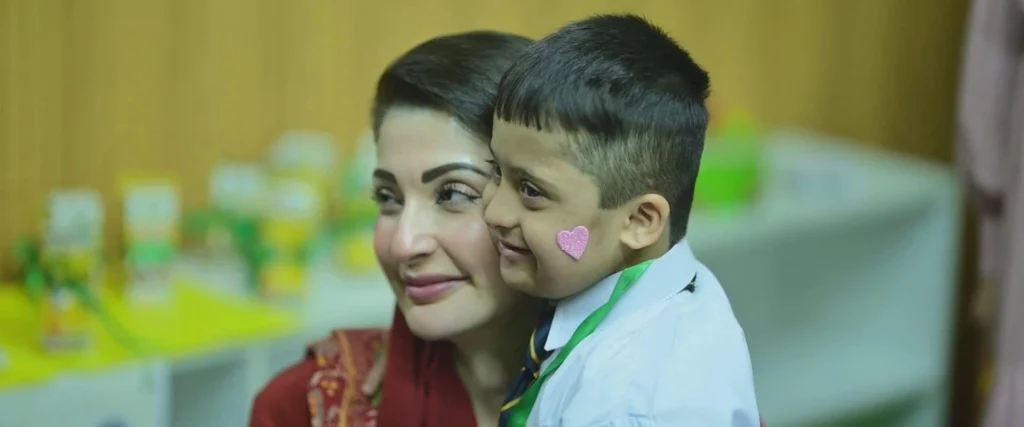
Merit-based scholarship rewards academics and hard work. The programs reward students with excellent academic performance despite their financial difficulties. These scholarships will make students strive to achieve high educational standards by providing tuition support and academic grants. Financial scholarship also encourages students to pursue higher education and a career.
Financial Assistance on a need basis
Merit scholarships target needy students. Such programs offer financial assistance to families who are undergoing difficulties with education costs. The aid includes school supplies, tuition and living expenses. This assists students in staying in school without the worry of money. Having removed the economic obstacles, need-based aid ensures equality in education.
Relief Programs of Emergency Education
The emergency relief programs help students who have fallen into instant financial distress. Such programs help the families that are impacted by unemployment, medical problems, or unforeseen difficulties. Emergency programs prevent students from dropping out by providing temporary support in terms of finances. This insurance provides sustainability in learning during hard periods.
Neutral and Inclusive Support Policies for Religion
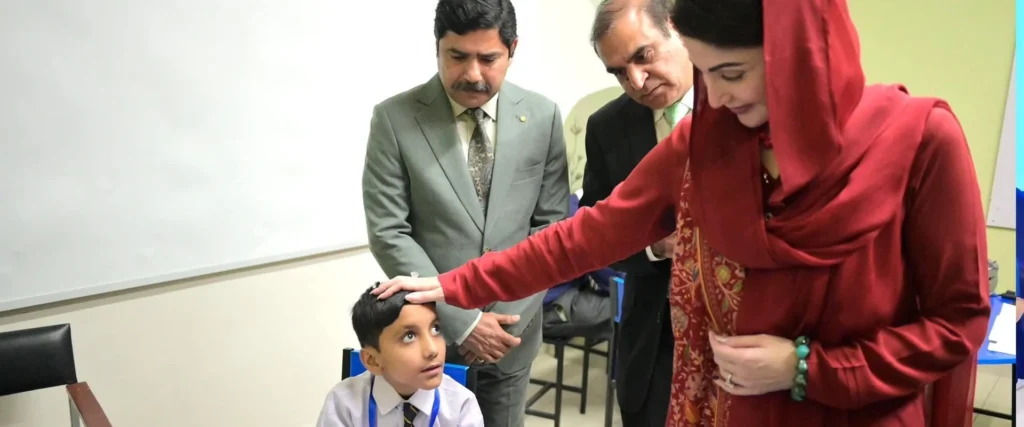
Equal Opportunity Scholarship Programs
Equal opportunity programs are used to make sure that scholarships are open to all scholars regardless of their religions and cultures. The programs revolve around fairness, transparency, and non-discrimination. The Social Welfare Department empowers harmony and social cohesion by ensuring that there is equal access within the community.
Interreligious Inclusion in Educational Support
The interfaith inclusion is crucial in encouraging cohesion in a nation. Sohail Shaukat Butt and Bait ul Mal support scholarship programs without religious discrimination. This non-discriminatory practice supports the fact that all citizens must be provided with education. Such initiatives allow different communities to understand one another as they help them.
Government’s dedication to Equity
Scholarship programs funded by the government focus on accountability and equity. Honest selection methods guarantee that the vulnerable students get financial aid. This fosters trust among the people, and more families are willing to receive education. Scholarships should be fairly distributed, and this enhances the integrity of social welfare organisations.
Social Welfare Scholarship Effect in Various Cities
The social welfare programs of Sohail Shaukat Butt have spread all through the various cities in Pakistan. His outreach initiatives are directed towards providing wider access to education, both in urban and rural regions. Through his partnership with the local governments, he also delivers financial aid to the isolated communities. This is done to minimize educational gaps in the region.
Scholarship programs are used in metropolises to help students continue higher education and professional education. In the countryside, aids are used to enhance school attendance and literacy levels. Through social welfare programs, the local needs are met, thereby leading to the attainment of a balanced national development. There is also a strengthening of community involvement and raising awareness regarding education opportunities through these programs.
Students are made aware of scholarships and other financial aid through specific campaigns and sensitization exercises. This outreach assists family members to know how to seek aid and be able to take advantage of education support programs. Consequently, the number of students receiving quality education increases despite their geographical location.
Greater Social Impact of Education Scholarships
Education grants form long-term advantages to people and society. These programs provide financial aid to students, which prevents the occurrence of dropout and enhances the number of students graduating. Learned youths are part of the economic growth, innovation, and social stability. The recipients of scholarships tend to be role models in their communities and encourage others to attend school.
Family empowerment through financial assistance programs also alleviates the burden on the family finances. Parents will have the opportunity to spend on other essential aspects within the home if education costs are made affordable. This enhances the general living standards and increases the stability of the family. With time, social welfare programs that are centred on education help to break the poverty cycle.
Scholarship schemes assist in the development of the workforce as well. Through these initiatives, skilled professionals are equipped to work in different industries because they enable students to get higher education and vocational training. This boosts the productivity of a country and increases the competitiveness of Pakistan in the world economy.
Social Welfare Scholarships in the Future of Pakistan
The Social Welfare Scholarships in Pakistan are an investment in human capital. The programs assist in developing the future leaders, professionals, and innovators. Through education, the government empowers sustainable development. Scholarships provide the youth with career-building opportunities to make a positive impact on society.
The higher the levels of education, the stronger and less unstable the communities become. Financial relief programs also fill the gaps in society and lead to upward mobility. In the long run, an educated citizen is critical towards the formation of democratic values, economic development and cultural development.
Gender equality is also promoted through scholarships, where females are encouraged to get an education. Communities that have girls being financially supported to attend school enjoy better health, income and social results. This strengthens the need to have inclusive education policies.
Openness, Honesty, and Leadership Accountability
Scholarship programs must have good governance and accountability. The leadership of Sohail Shaukat Butt focuses on responsibility in monetary distributions. Well-defined guidelines and monitoring systems can ensure that the money is received by deserving students. This generates confidence in the social welfare institutions.
Constant review of education programs is also a part of responsible leadership. The Social Welfare Department enhances the performance of the programs by examining the results and modifying the policies. Student and Community Feedback: This is important in improving scholarship initiatives and meeting new demands.
Openness in funding promotes wider involvement. As long as families have faith in the system, they will seek help. This is an expansion of the scope of scholarship programs and makes them more powerful.
Financial Assistance Programs to Students and Families
Students who are entitled to financial aid have academic and emotional relief. The lessened financial pressure will help them concentrate on their studies and self-development. The recipients of scholarships tend to perform better in school and become more motivated. They get a chance to pursue professional and higher education with the aspect of stable support.
There are also lower education costs to the families. The financial relief assists parents in covering the bills within the household and budgeting for long-term stability. The families obtain some hope of a better future when their children have scholarships. This helps in strengthening the bond of the family and promoting the development of the community.
Social mobility is also encouraged by education support programs. Students with low-income backgrounds are able to access good education and career opportunities. In the long run, this aids in decreasing income inequality and forming a more equal society.
Contributions of Sohail Shaukat Butt to Social Development
Other than education, Sohail Shaukat Butt has helped in multiple social welfare programs. His portfolio consists of poverty eradication programs, community health programs, and economic empowerment programs. He enhances the resiliency of the community in general by working on various social issues.
His efforts have focused on cooperation with government agencies, non-profit organizations, and local communities. The collaborative strategy makes welfare programs efficient and sustainable. He helps the country to develop and stabilize the situation by concentrating on a long-term solution.
His inclusiveness policy demonstrates a sense of harmony and equality. He helps all citizens regardless of their background, thus encouraging national peace and mutual prosperity.
The Secret of Inclusion Policies in Enriching Society
Inclusive scholarship programs contribute to the establishment of a more unified society. Social welfare programs enhance the principle of equality because they help students irrespective of their racial ties. Education emerges as a form of togetherness instead of being a divisive factor. This builds the social relationship and ensures peaceful coexistence.
The policy of interfaith support also shows the effort by Pakistan to be diverse and respectful to each other. Equal opportunities among students from various backgrounds promote understanding and collaboration. In the long run, this leads to an inclusive and more tolerant national culture.
The policies of inclusive education also favour the marginalized communities. Through increased access to scholarships, the underrepresented groups have a chance of enhancing their socioeconomic status. This assists in ensuring that inequality is minimized and social justice exists.
Opportunities and Problems in the Scholarship Programs
Although there has been great improvement in scholarship programs, there are still challenges. Few finances, escalating cost of education and growing demand necessitate constant enhancement. The need to expand financial support programs needs to be planned and allocated sustainably.
There are opportunities to enhance collaboration with the private organizations and educational institutions, as well as international donors. Scholarship programs can be expanded to serve a large number of students through the diversity of funding. Technology also has the potential to enhance application processes, monitoring systems and transparency.
Through problem prevention, social welfare institutions can be more effective in programs. This will be achieved through constant innovation and cooperation to broaden the scope of Social Welfare Scholarships in Pakistan.
Conclusion
In Pakistan, Social Welfare Scholarships have a significant role to play in supporting students and building up national development. With the guidance of Sohail Shaukat Butt and the initiative of Bait ul Mal, thousands of students are given relief in the form of money and education. The programs are inclusive of support, and they are not discriminatory against anyone, and thus there is equal access to education among all citizens.
With increased scholarship programs, enhanced transparency and enhanced community outreach, Pakistan has invested in its future. Policies that focus on social welfare through education can eliminate poverty, enhance literacy and empower young people. The contributions of Sohail Shaukat Butt are based on the desire to be fair, socially progressive, and to develop in the long term.
With persistence and participatory leadership, scholarship programs will keep on increasing the student elevation and strengthening the families as well as creating a more equal society.