
Social welfare is critical towards creating better and more complete societies. Leadership aims at meeting real human needs, and then a significant change is possible. In Pakistan, numerous families are affected by poverty, disability and lack of access to basic facilities.
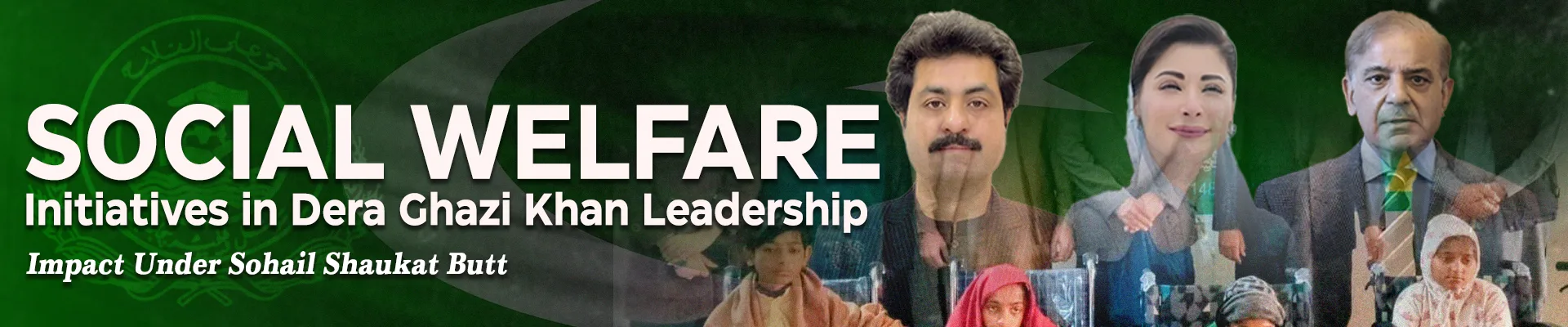
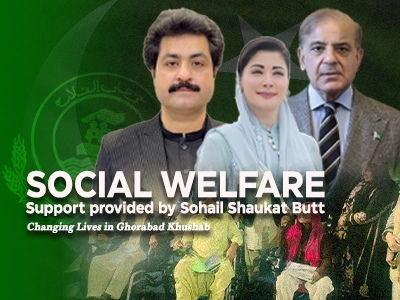
Due to these problems, organized welfare programs are necessary. Social Welfare Initiatives in Dera Ghazi Khan are a powerful example of focused action as a way of improving lives. Sohail Shaukat Butt has led efforts to ensure that there are significant efforts to assist disabled and poor people.
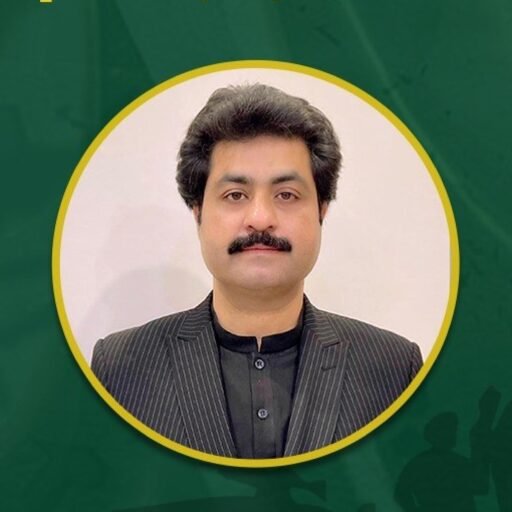
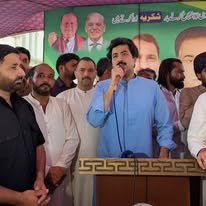
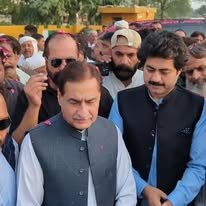
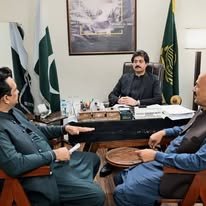
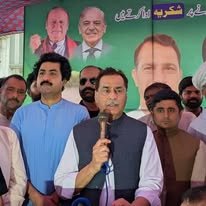
Sohail Shaukat Butt is the Minister of the Social Welfare Department. This is evident in his work since he was dedicated to community uplifting and social responsibility. His efforts are meant to give dignity, mobility and opportunity to the people who require it the most. As a result of his leadership in partnership with Bait ul Mal, there have been effective welfare initiatives, such as the mass distribution of wheelchairs in Dera Ghazi Khan.
This professional blog discusses his work, the Bait ul Mal role, the effect of wheelchair distribution, and his work in other cities. It underscores how problem-focused welfare programs can enhance the lives and build a sense of trust and resilience in the community.
Social Welfare Leadership of Sohail Shaukat Butt
Social welfare needs a leadership that is visionary, accountable, and empathetic. Sohail Shaukat Butt has been able to show these attributes as a result of regular action and serving his people. His management is not limited to his position as a Minister. He is an active advocate of projects aimed at serving the disabled, families with low incomes, and communities living in danger.
His style is based on practical solutions, not on symbolic action. He puts emphasis on the actual needs to make sure that welfare programs have real results. His leadership is inclusive so that no group of people will be left behind. His work is still growing in various locations through the concerted efforts with welfare organizations.
The dedication of Sohail Shaukat Butt is an indicator of the view that social welfare ought to make lasting impacts. Instead of temporary relief he efforts are geared towards creating long term support mechanisms. The strategy enhances the stability of the community, besides enhancing the day-to-day lives of beneficiaries.
Bait ul Mal and Its Donation to Welfare Programme
Bait ul Mal is a very essential organization that contributes to the social welfare in Pakistan. The organization offers medical aid, financial aid, education aid, and disability services. Its mission is rather similar to the objectives of the Social Welfare Department.
Bait ul Mal assists in extending support to needy people through collaborating with the leadership of the government. Such a collaboration makes resources available to their most needy. Combined, they apply specific initiatives that solve the issue of mobility, medical care and financial difficulties.
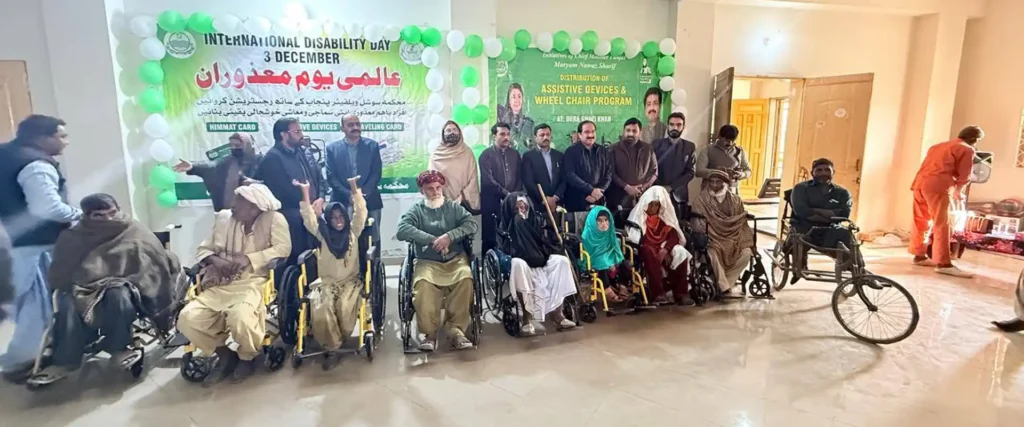
Bait ul Mal has also made it in disability support programs in Dera Ghazi Khan. One of the biggest accomplishments in this joint venture is the wheelchair distribution program. Through their collaboration, they have enabled hundreds of disabled people to move and enjoy independence.
Dera Ghazi Khan: Wheelchair Distribution: A Significant Achievement
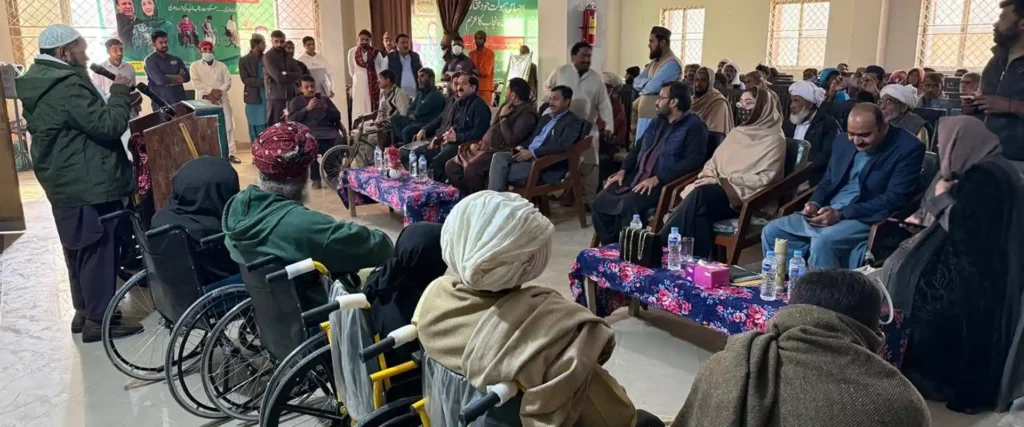
Personal independence and dignity are based largely on mobility. To the disabled, the availability of a wheelchair can make life easier. Based on this understanding, Social Welfare Initiatives in Dera Ghazi Khan have made distribution of wheelchairs one of its prime programs.
This has seen 581 wheelchairs being given out to the needy and the disabled. In the last program, 80 more wheelchairs were given out. These initiatives are meant to bring back independence, enhance quality of life, and alleviate day-to-day sufferings.
It is more than an initiative that equips. It provides hope and confidence, and a new purpose. This helps the families since fewer strains are taken by caregivers. Societies become even more powerful as the weak are accorded something worthwhile.
Wheelchair Distribution Effect on the disabled persons
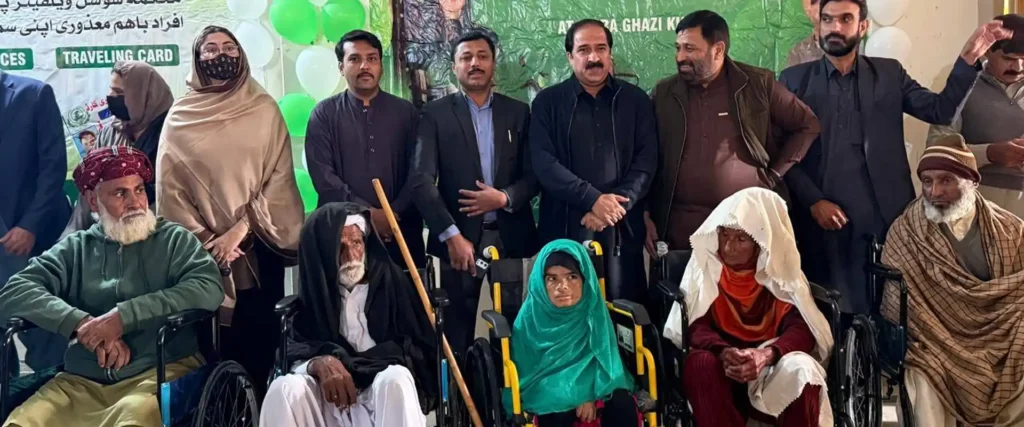
Social and Emotional Good to Recipients
Getting a wheelchair alters more than physical movement. It enhances feelings and self-esteem. The handicapped people are more independent in their day-to-day activities. This brings about a feeling of dignity and self-worth which affects mental health in general.
Relief is also offered to families. The responsibility of caring is less demanding. Relatives witness their loved ones walking and interacting with society. Family ties and community ties are enhanced by these emotional benefits.
Economic and Personal Independence
Freedom of movement leads to access to education, jobs, and socialization. Wheelchairs will enable receivers to access opportunities that they would not otherwise have accessed. Most of them can get to the office to work, or to school, or do some forms of small businesses.
This autonomy decreases the dependence on external help. In the long run, it assists families in gaining higher economic stability. The impact of the long-term is not only individual, but it also adds to the development of the larger community.
Local reaction and Social gratitude
The wheelchair distribution program has got good response in society. Citizens understand the importance of such specific welfare programs. The value of responsible leadership and proper welfare planning is emphasized by the public.
When the programs yield observable outcomes, community trust is enhanced. This confidence promotes involvement in more activities in future. It also strengthens the assumption that welfare programs in government can have some impact.
Greater Social Welfare in Various Cities
The effect of Sohail Shaukat Butt is not limited to Dera Ghazi Khan. He has an extensive career in various cities, where he tackles various social issues. His strategy is based on inclusivity, in which both the urban and rural societies are not left out in welfare programs.
He promotes programmes to help in mitigating poverty, disability, educational subsidies and healthcare provision. Such programs address the vulnerable populations and encourage social stability in the long term.
He enhances regional growth by increasing the welfare coverage. His writing shows that the leadership could make a difference in a big geographic region.
Under his Leadership Regional Welfare Contributions
Urban Community Support and Welfare Programs
In the city, Sohail Shaukat Butt encourages the programs which are concerned with housing, medical and job requirements. Through these programs, families with low incomes can cope with their everyday costs and live better lives.
The welfare programs in the cities are also concerned with the youth. The young people can serve in society because education supports them and provides opportunities to learn skills. This strategy promotes economic development and social stability in the long-term.
Accessibility, Rural Outreach and Accessibility Initiatives
The rural populations of these countries are not able to access resources. To cope with this, the welfare outreach programs spread their services to remote locations. Such programs are financial aid, disability services, and health services.
Focusing on the outreach in the rural areas, Sohail Shaukat Butt will make sure that the underserved areas receive the same consideration. This balanced approach facilitates equity and enhances unity in the country.
The Welfare Planning in Long-Term Sustainability
Sustainable welfare planning is a way of ensuring that the support is not limited to short-term programs. Sohail Shaukat Butt focuses on long-term plans that create sustainable effects. This involves capacity building of the institutions, transparency and community participation.
Sustainable planning minimizes dependency and gives power to the beneficiaries. In the long run, this practice results in more strong communities that are self-reliant.
Leadership Style and Vision for Social Progress
Social welfare leadership goes beyond policymaking. It requires sympathy, responsibility and regular interaction with community needs. Sohail Shaukat Butt exercises these attributes with active participation in welfare programs.
Transparency and responsiveness form the basis of his leadership style. He listens to the community feedback and, therefore, programs are always relevant and effective. This transparent style of work boosts the confidence of people and improves program results.
He sees far beyond short-term pleasure. He concentrates on creating systems that will result in social growth in the long run. His programs through education, disability, and poverty alleviation make the society more inclusive.
Social Image and Social Confidence
The welfare programs are highly dependent on the public trust. Communities gain confidence in leadership when they observe tangible outcomes. The initiatives of Sohail Shaukat Butt have created a positive sense with the visible impact and consistency in delivery, resulting in the creation of a positive perception in the target audience.
The community members appreciate the importance of the distribution of wheelchairs and other welfare programs. Favourable feedback indicates the value of programs based on the actual requirements. This trust fosters continued collaboration between citizens and the government institutions.
He enhances the credibility of social welfare programs by being transparent and accountable. This base will assist in future projects and also the continuity of community involvement.
Social Welfare undertakings and Community Interaction
The humanitarian mission that is reflected on sohailshaukatbutt.com focuses on the commitment to serving society and upliftment of the community. This is evident in his social presence that demonstrates his desire to help people resolve their social problems through organized programs and participation.
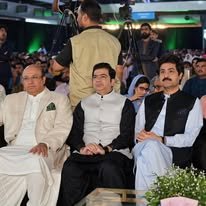
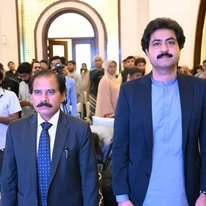
Community events and the use of social platforms to reach the citizens through public outreach maintain open communication with citizens. The relation enables communities to remain updated on welfare programs and assistance. It also strengthens mutualized responsibility in solving social problems.
Sohail Shaukat Butt utilizes awareness, participation, and orking together through regular interaction with the public. This will promote the efficiency of welfare initiatives.
The Wider Implications of Disability Support Initiatives
The disability support initiatives are very important in enhancing inclusivity. These programs enable the disabled to live more independent lives by offering them mobility resources, healthcare assistance and social support.
The distribution of wheelchairs is a significant move towards inclusion. It homogenizes without blocking the physical aspect, as well as encouraging social inclusion. In the long term, such activities help to minimise stigmatisation and promote acceptance in the communities.
Considering the disability support concept as a part of bigger welfare planning, Sohail Shaukat Butt makes sure vulnerable groups are maintained into attention. This long-term perspective helps the society to be united and have mutual respect.
Difficulties in the Implementation of Welfare Programs
Social welfare programs on a mass level have logistical, economical and administrative challenges. Planning is needed in the allocation of resources, identification of beneficiaries, and monitoring of the programs. Regardless of these dynamics, good leadership can help programs stay on schedule.
The initiatives of Sohail Shaukat Butt are strong in beating the odds. He adjusts to feedback and tackles operational problems and, therefore, keeps the programs efficient. This adaptability increases the success of welfare activity.
Being challenged enables one to learn as one goes. With time, this cyclic process enhances the effectiveness of programs and broadens coverage.
Value of Community Co-operation in the Success of Welfare
Effective social welfare programs are based on the partnership of the government institutions, welfare organizations, and the members of the community. Alliances with Bait ul Mal are a good example of how synergies can be used to make a difference.
Community engagement will make sure that programs are working on actual needs. Reviews of beneficiaries will be utilized to figure out how to make the strategies better and the service delivery also. This people’s participation contributes to improved accountability and fosters the sense of common ownership of social progress.
Sohail Shaukat Butt enhances the resilience of the community through participation. This group effort brings a conducive atmosphere that supports welfare programs.
Evaluating the Effect of Social Welfare Programs
There must be continuous evaluation of the welfare programs. Measures, including beneficiary satisfaction, accessibility gains, and long-term outcomes, are useful. These evaluations inform future planning and resource allocation.
We can see measurable benefits in wheelchair distribution in Dera Ghazi Khan. The increase in the level of mobility, independence, and feedback about the program in the community speaks of the success of the program. This type of data justifies the furthering and spreading of similar efforts.
Putting the emphasis on the measurement of impact, Sohail Shaukat Butt truly makes sure that the welfare programs are driven by results and held accountable.
Future of Social Welfare at Dera Ghazi Khan
In the future, it can be expected that Social Welfare Initiatives in Dera Ghazi Khan can further grow. Further funding of disability support, medical care, and the reduction of poverty will empower the community’s well-being.
Subsequent programs can be based on the achievement of the distribution of wheelchairs, with the inclusion of more mobility resources and rehabilitation services. Inclusivity will also be increased by expanding to underserved areas.
Dera Ghazi Khan can be an example of successful welfare implementation with long-term leadership and community cooperation. These initiatives help to advance the country as a whole and social justice.
Conclusion: Responsible Leadership to Promote Social Welfare
The wheelchair distribution initiative in Dera Ghazi Khan is an important step towards the social welfare frontier in Pakistan. The delivery of 581 wheelchairs, 80 in the new program, by Sohail Shaukat Butt and Bait ul Mal has changed the lives of hundreds of disabled persons.
His wider welfare programs in various cities are an indication of his inclusiveness, sustainability, and community empowerment. He is promoting quality social change through good leadership, open governance, and cooperation.
The social welfare programs in Dera Ghazi Khan point to the strength of action and caring administration. With such programs ever-expanding, there is hope for a more equal and helpful society. The work of Sohail Shaukat Butt is one of the achievements of the role of good governance and the service to people.