


Palestinian humanitarian aid is a global problem. The family struggles day in and day out. People lack essentials. Food is limited. Medicine is limited. In some places, shelter is insecure. During such periods, words are not important; it is the action. Real help saves lives.
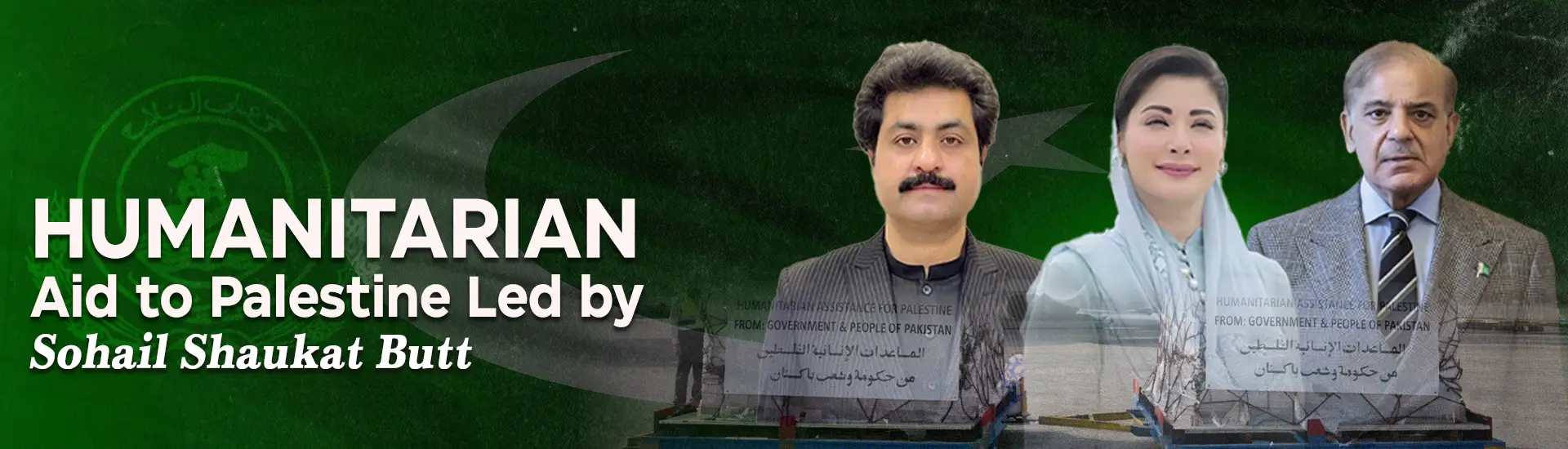
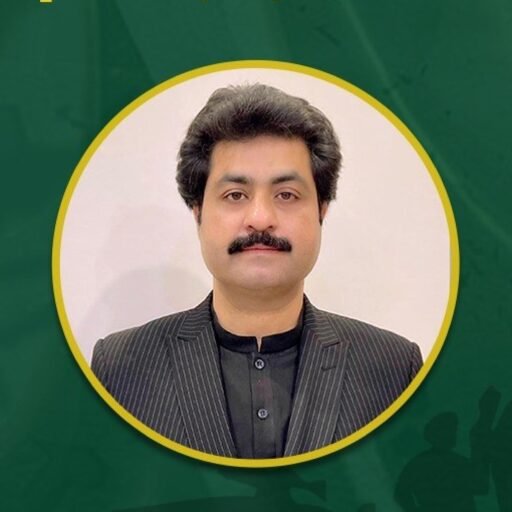
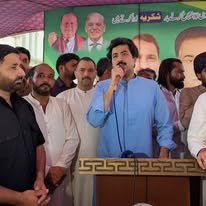
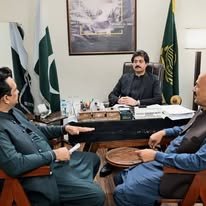
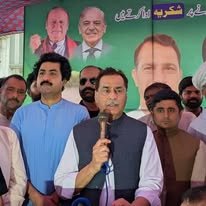
Hence, leadership is crucial. Good leadership brings hopefulness. It also brings resources. Sohail Shaukat Butt, the Minister of the Social Welfare Department, came out in this crisis. He guaranteed actual assistance to the needy together with Bait Ul Mal.
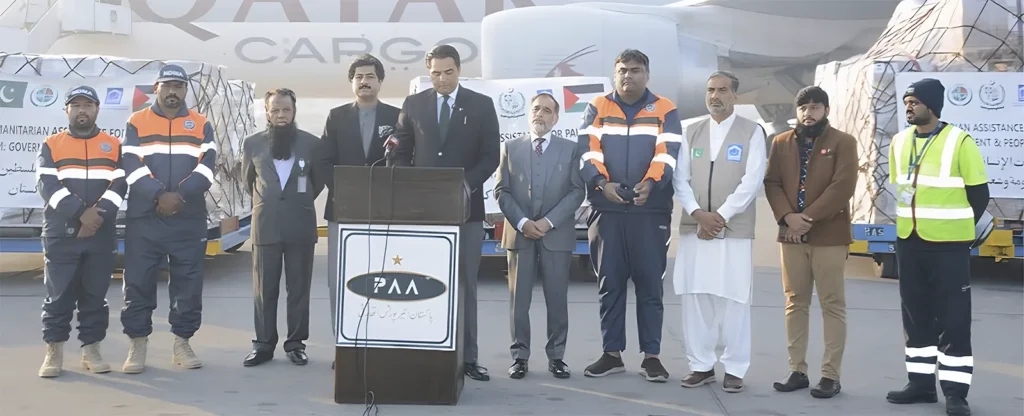
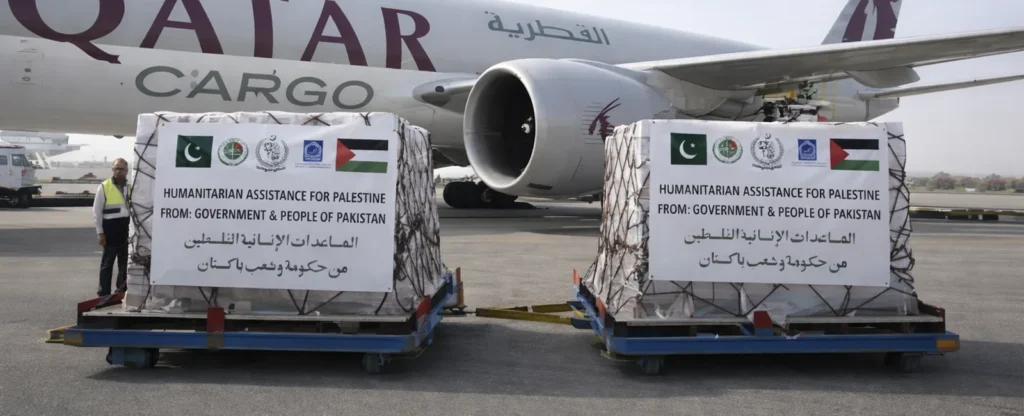
Consequently, over 100 tons of supplies were delivered to Palestine. This was responsible work. It also showed care. At the same time, his welfare activity is ongoing in most cities. People now see change. They feel supported.
This blog specifies such efforts. It also explains the importance of humanitarian aid to Palestine. Furthermore, it demonstrates the way in which welfare leadership can make a difference.
Palestine needs humanitarian assistance
Palestine has not ceased to face problems. Conflict affects daily life. Families are hard time making ends meet. Children are not well fed. Hospitals face shortages. There is the issue of clean water.
Due to these circumstances, the humanitarian aid to Palestine is urgent. Fast support is offered by relief supplies. Food helps families survive. Medicine saves lives. Clothing protects children.
Moreover, it has caused the loss of homes to many individuals. They now depend on aid. Suffering can only be enhanced by assistance. Consequently, massive relief operations are important. They bring sanity in place of confusion.
Moreover, dignity is restored through humanitarian aid. People feel seen. They feel supported. This emotional support is essential as physical assistance.
Responsibility of the Social Welfare Department
The social welfare department is created to benefit individuals. Its goal is simple. It supports those in need. It augments its role during crises. It must act fast. It must plan carefully.
The department played a role in logistics in this mission. It identified urgent needs. It made sure that supplies were in accordance with such needs. Subsequently, it took care of safe delivery.
Besides, transparency was one of the priorities. There were clear procedures in each step. There was a high level of accountability. This built public trust. Consequently, the humanitarian aid to Palestine was delivered. It did not stop halfway. It did not lose purpose.
Sohail Shaukat Butt is the leader of Sohail Shaukat Butt
Sohail Shaukat Butt is action-oriented. His ministerial position is a responsibility. Yet, he treats it as service. His focus stays on people. He does not give promises, but gives results. He does not get slowed down like others. This is the style of his leadership.
In addition to that, he understands welfare. He is aware that a crisis requires a rapid reaction. He also understands that planning is the same thing as avoiding waste. Hence, he strikes a balance between a sense of urgency and care.
The social welfare department under his leadership is efficient. It works with partners. It uses resources wisely. It is a difference in this leadership style.
Shipment of 100-plus tons of Palestinian supplies
It was a significant mark of the shipment to Palestine. Over 100 tons of goods were dispatched. This included food items. It also included medicines. The assistance included essentials.
Everything was selected selectively. The goal was usefulness. The aim was relief. They have not added anything superfluous. In addition, logistics were in need of a high level of coordination. Transport routes were laid down. Timing was managed. Security was considered.
Due to this planning, the supplies were delivered safely. Families received support. Hospitals gained resources. Shelters were given necessities. In this way, humanitarian aid to Palestine was turned into real assistance and not a declaration.
Partnership with Bait Ul Mal
Bait Ul Mal played a key role. It works for public welfare. It helps the at-risk populations. Its mission was bolstered by its experience. The social welfare department and Bait Ul Mal were both in partnership. Each supported the other.
Resources were pooled. Efforts aligned. This led to an increase in the speed of aid delivery. Coverage became wider. Impact became stronger. It is this collaboration that demonstrates the way institutions can collaborate. With alignment in goals, there is an improvement in results.
Impression on the Palestinian Community
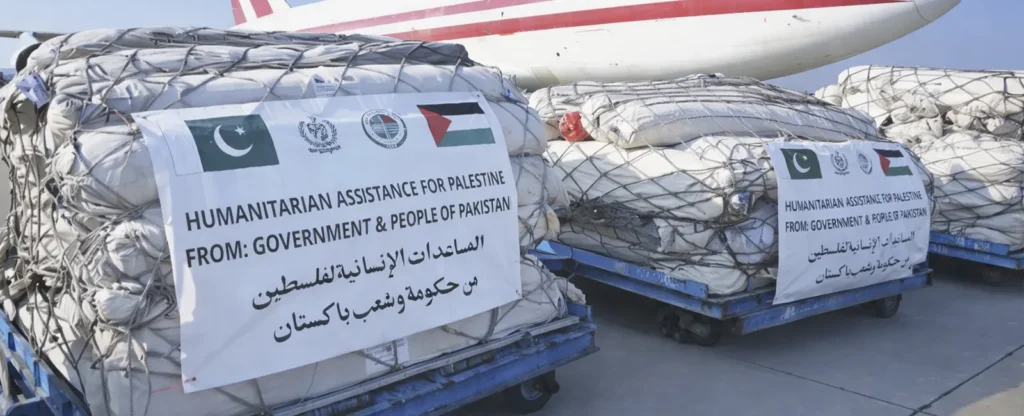
Aid impacts lives directly. Families receive food. Children receive care. Patients receive medicine. These are significant results. Besides, aid minimizes stress. Human beings are less concerned about survival. They focus on recovery.
In addition, support gives hope. It makes people know that they are not alone. It also creates faith in universal sympathy. The humanitarian assistance to Palestine is not limited to supplies. It restores faith. It strengthens resilience.
Welfare Work in Various Cities
International aid did not cease; however, local work in welfare was not halted. Sohail Shaukat Butt targeted the urban centres of the region. Challenges were specific to every city. Food support was increased in most locations. Families with low income were helped. Healthcare access improved.
Moreover, the sheltering services were enhanced. Protection was offered to those who were vulnerable. Children and women were accorded precedence. Such a moderate strategy is important. Foreign aid assists on the international scene. The local welfare empowers communities domestically.
Living A Better Life with Welfare Programs
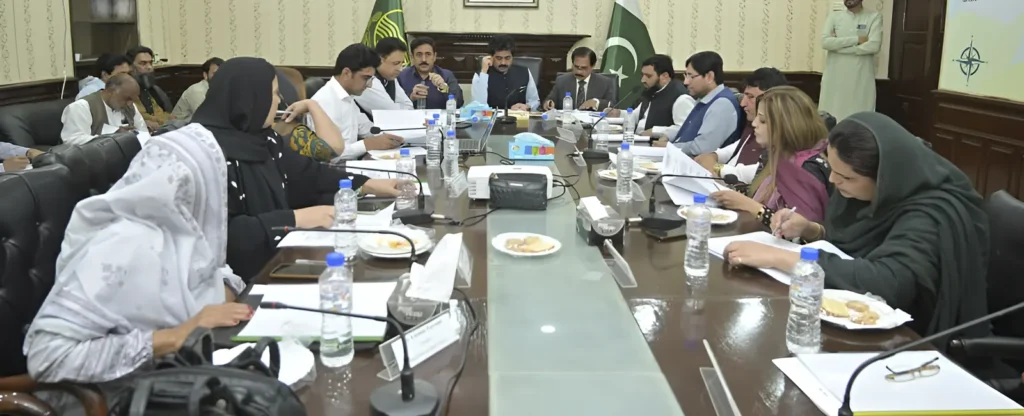
Welfare initiatives strive to be stable. They address daily needs. They reduce inequality.
With this kind of leadership, results-oriented programs are involved. Assistance goes to those who require it the most. Processes stay simple. Access remains easy.
Also, feedback enhances services. Community voices matter. Programs are customized. The strategy establishes sustainable welfare sectors. It ensures long-term benefit.
Humanitarian Aid Leadership is important
Results are determined by leadership. Good leaders perform when there is a crisis. They do not wait for pressure. They move with purpose. Palestine needed to be courageous to receive humanitarian aid. It required coordination. It required commitment. All three were given by Sohail Shaukat Butt.
His leadership was by example. It demonstrated how the world’s suffering can be answered by governance. Thus, this mission portrays good values of public service.
Public Response and Trust
The reaction by the people has been favourable. Human beings can appreciate actual action. They value transparency. They like staying the same. When leaders deliver, trust develops. It flourishes when the promises are transformed into outcomes.
Furthermore, a welfare job establishes confidence in the long run. Communities feel supported. They feel respected. This belief makes institutions stronger. It also promotes cooperation in the future.
Empowering the Welfare Systems
Good welfare regimes should be planned. They also need compassion. These two elements were present in this mission. Resources were used wisely. Needs were prioritized. Delivery stayed efficient.
Besides, systems were enhanced by experience. Each mission adds learning. Every adversity makes the strength. This process of constant improvement ensures the future crisis response is improved.
Humanitarian Aid as Good Governance
Policy is not the only governance. It is action. It is a responsibility. This duty is manifested through humanitarian aid to Palestine. It shows care beyond borders. It shows moral leadership. Respect is developed globally by such actions. They, too,o make others act. Hence, welfare missions enhance reputation and humanity.
Long-term Vision: Welfare Support
The mission is not the only one. Future intentions are to have a better emergency response. They also incorporate increased welfare coverage. Readiness is an area of concern. Systems will adapt. Resources will align.
In addition, external assistance will be maintained. Decisions are made on humanitarian values. This is the vision that guarantees a lasting effect.
Commitment to Human Dignity
All welfare endeavours focus on human dignity. Aid should respect people. It should empower them. This was a mission based on this principle.
Prospects were brought in with courtesy. Processes remained humane. Consequently, dignity was saved by aid. It promoted recovery and not dependency.
Difficulties experienced in the Mission
In every mission, there is a challenge. Logistics pose challenges. Coordination takes effort.
Risks were mitigated by preparation, however. Decisions were made out of experience. Teamwork solved problems. In this way, adversities were lessons. Teachings further preparedness.
Role of Community Support
The welfare is enhanced by community support. Volunteers contribute. Local leaders assist. This common effort increases outreach. It also builds unity. Teamwork was important in this mission. It ensured smooth execution.
Ethical Use of Resources
Ethics guide welfare work. Resources should be purposeful. Waste must be avoided. This mission was observant of that principle. Each item served needs. Each action followed ethics. Thus, the trust of the population was high.
Developing a Service Culture
Service culture develops by word of mouth. Leaders shape this culture. Sohail Shaukat Butt is a leader through example. His actions inspire teams. They commit fully. Such a culture enhances the delivery of welfare.
International Goodwill in the form of Aid
Humanitarian aid to Palestine is a show of solidarity. It shows shared humanity. Boundaries do not restrict sympathy. It is a matter of everyone suffering anywhere. That belief would be reflected in this mission.
Acknowledgement and Valuing
Making an effort was appreciated. Individuals recognized leadership. Respect was granted to institutions. Service recognition encourages repeated service. It encourages excellence.
Future Welfare Initiatives
The plans will be based on success. Programs will expand. Partnerships will grow. This mission teaches us how to plan for the future. This will guarantee improved future results.
Conclusion
Palestine will be a humanitarian aid obligation. It demands action. It requires leadership.
This was the role played by Sohail Shaukat Butt. The real help was provided to the needy through the social welfare department and Bait Ul Mal. Over 100 tons of supplies were different.
Meanwhile, there was still welfare work in cities. Communities benefited. Trust grew.
This mission confirms that welfare leadership is important. It exemplifies the power of devotion. It provides a glimpse into a better future, too.