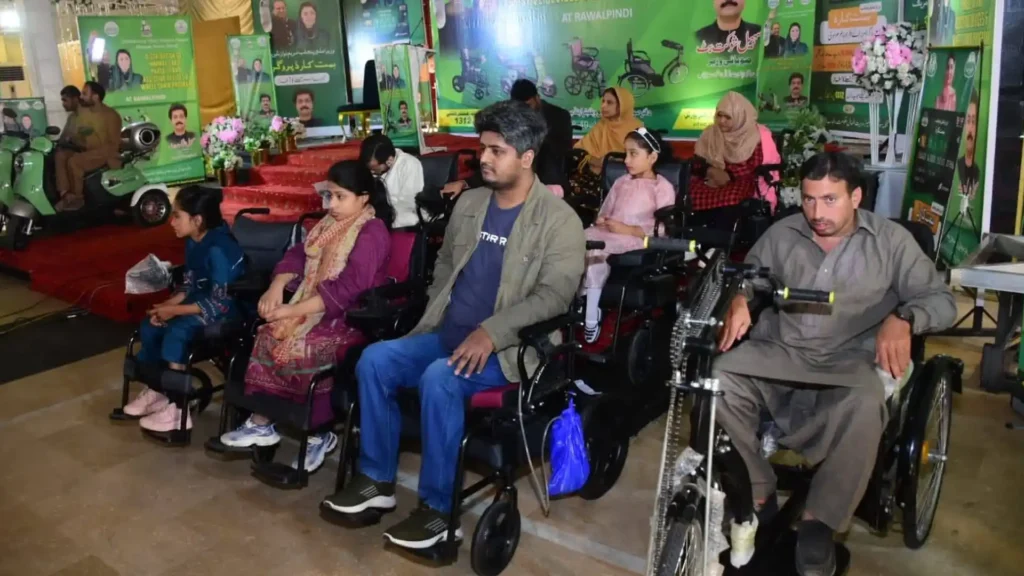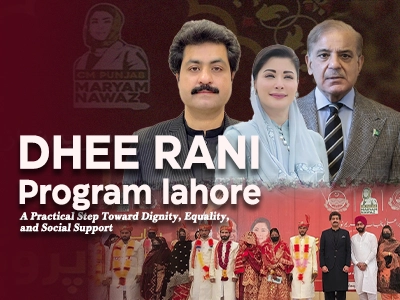
Social welfare programs play a strong role in building a balanced society. They support families during important life moments. Among these efforts, marriage support programs hold special value. They protect dignity and reduce social pressure. The Dhee Rani Program Lahore stands as a clear example of this vision.
This program reflects care, responsibility, and fairness. It supports deserving daughters who face financial limits. At the same time, it promotes equality across communities. Through structured planning and honest execution, the program shows how public welfare can change lives.
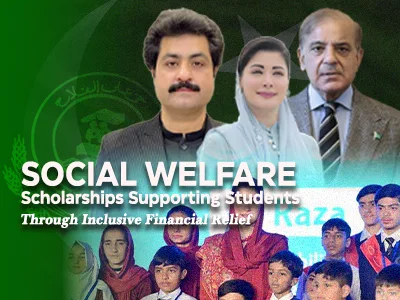
The Dhee Rani Program Lahore was launched under the leadership of the Chief Minister of Punjab, Maryam Nawaz Sharif. It aims to ensure that no daughter is deprived of marriage due to a lack of resources. The program also highlights the role of the Social Welfare Department and Bait-ul-Mal Punjab in practical service delivery.
Vision Behind the Dhee Rani Program Lahore
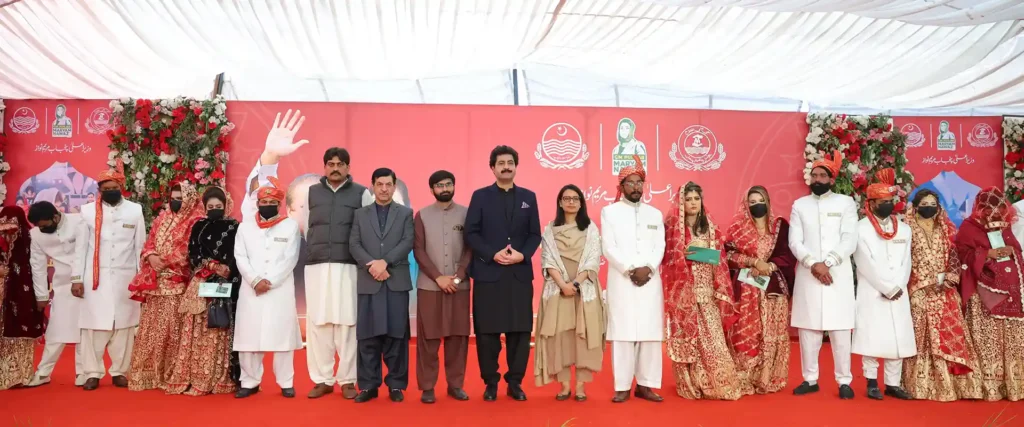
The idea behind the Dhee Rani Program Lahore is simple yet powerful. Marriage should not become a burden for families with limited income. Many parents struggle to meet basic wedding costs. As a result, delays and emotional stress increase.
This program addresses that concern with respect. It focuses on dignity rather than charity. Instead of scattered aid, it offers structured support. This approach ensures fairness and transparency.
The Dhee Rani scheme in Punjab reflects a modern welfare mindset. It moves beyond traditional handouts. It builds confidence among citizens. It also strengthens trust in public institutions.
Purpose and Social Importance of the Program
The Dhee Rani Program Lahore supports families during a critical phase. Marriage is not only a personal event. It is also a social responsibility. When families receive support, social balance improves.
This program helps reduce inequality. It supports low-income households. It also includes minority communities. As a result, it promotes unity and social harmony.
By offering collective wedding support, the program reduces pressure on families. It also creates a respectful environment for brides. These outcomes show the deeper value of the initiative.
Dhee Rani Program Lahore Collective Wedding Ceremony
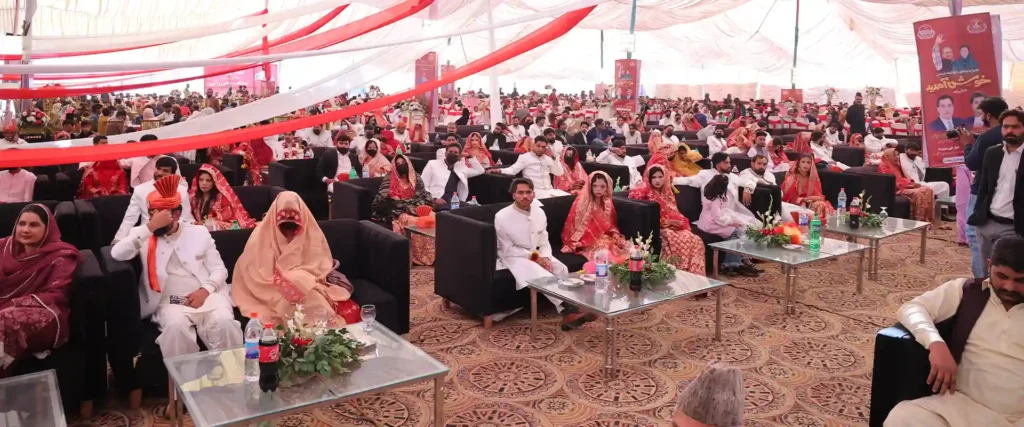
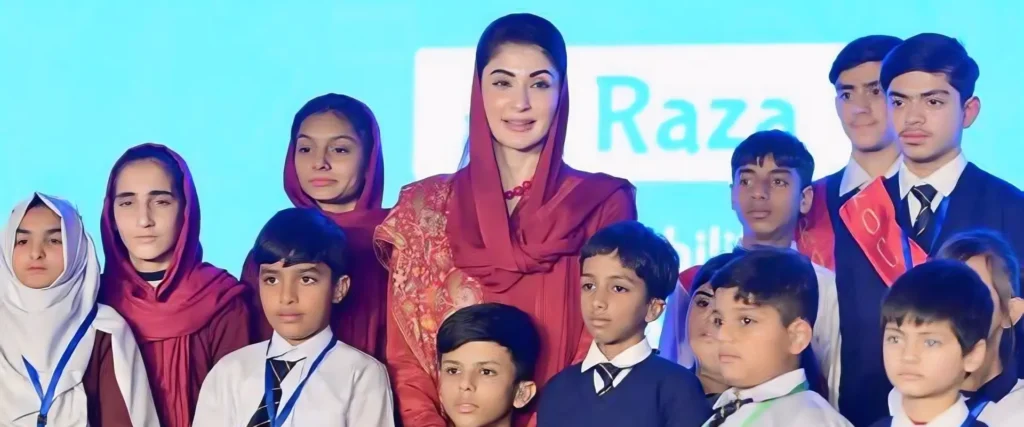
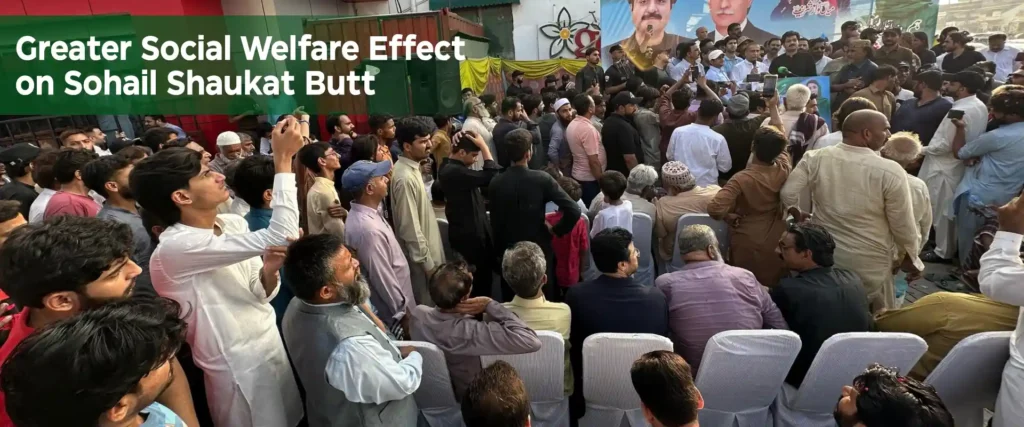
A dignified collective wedding ceremony was held in Lahore under the Dhee Rani Program. The event included 180 deserving daughters. Among them, 38 couples belonged to minority communities. This inclusion highlighted equality and fairness.
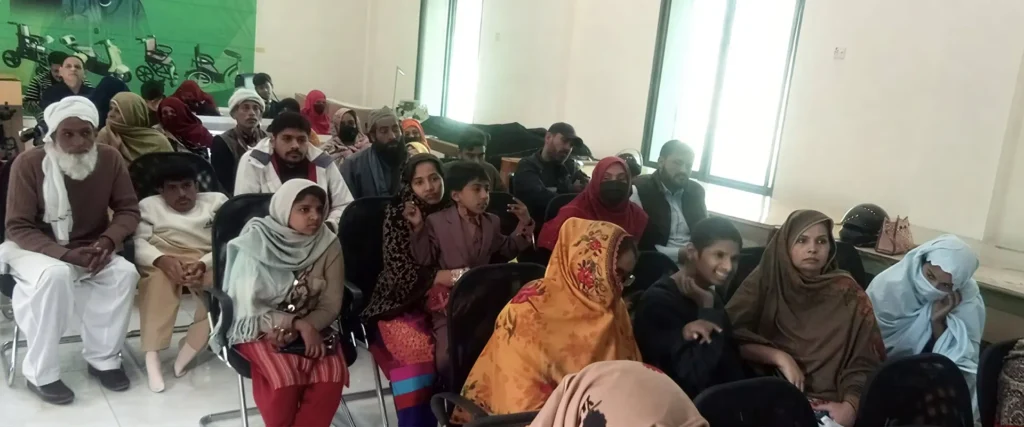
The ceremony was organized with care and respect. Families attended with pride. The environment reflected dignity rather than formality. Guests were welcomed with proper arrangements.
This collective wedding program showed how state support can be humane. It also demonstrated how planning and coordination create meaningful results.
Role of the Social Welfare Department and Bait-ul-Mal Punjab
The Social Welfare Department and Bait-ul-Mal Punjab played a central role. Their coordination ensured smooth execution. Every step followed a clear process. This approach maintained trust and transparency.
Government welfare programs require strong management. In this case, the departments worked with responsibility. Their efforts ensured that only deserving families benefited.
Planning and Verification Process
The planning process focused on fairness. Applications were reviewed carefully. Background checks ensured eligibility. This reduced misuse and ensured justice.
The department followed a clear structure. Each case received equal attention. As a result, the program maintained credibility and respect.
Financial Assistance and Material Support
Each bride received a salami ATM card worth PKR 200,000. This support helped families manage early marriage expenses. In addition, high-quality bridal attire was provided.
This financial aid for marriages reduced stress. It allowed couples to begin life with stability. The support was practical and meaningful.
Inclusive Support for Minority Communities
The Dhee Rani Program Lahore included minority couples. This decision reflected equality and respect. The state support did not discriminate.
By supporting all communities, the program strengthened unity. It also showed that welfare belongs to every citizen. This inclusion increased social trust.
Leadership of Sohail Shaukat Butt in Social Welfare
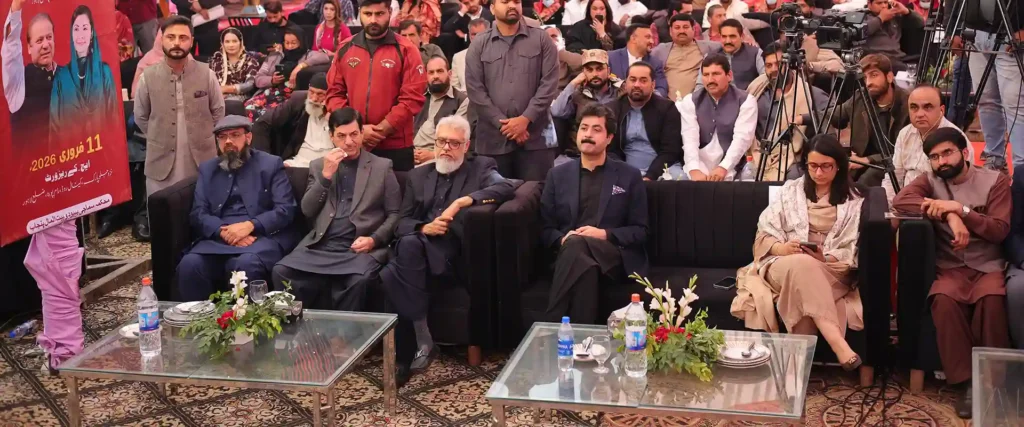
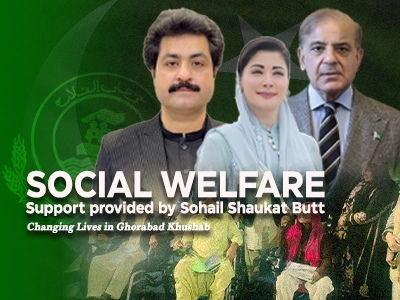
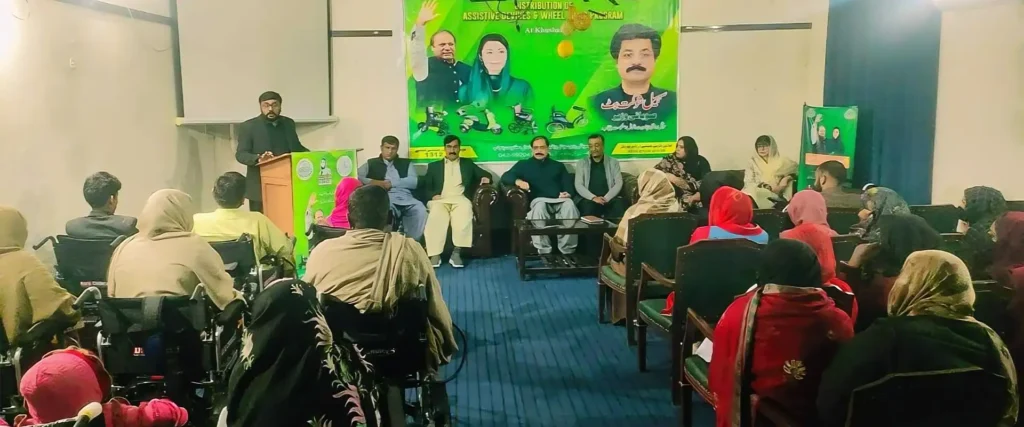
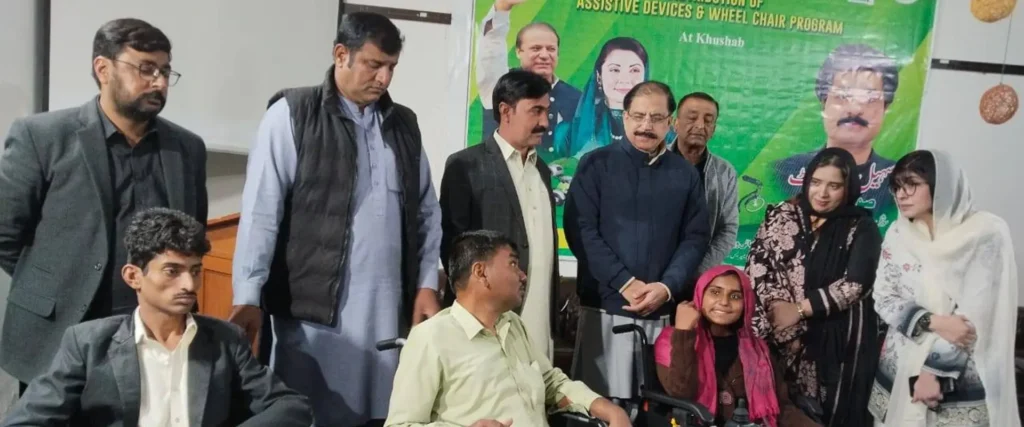
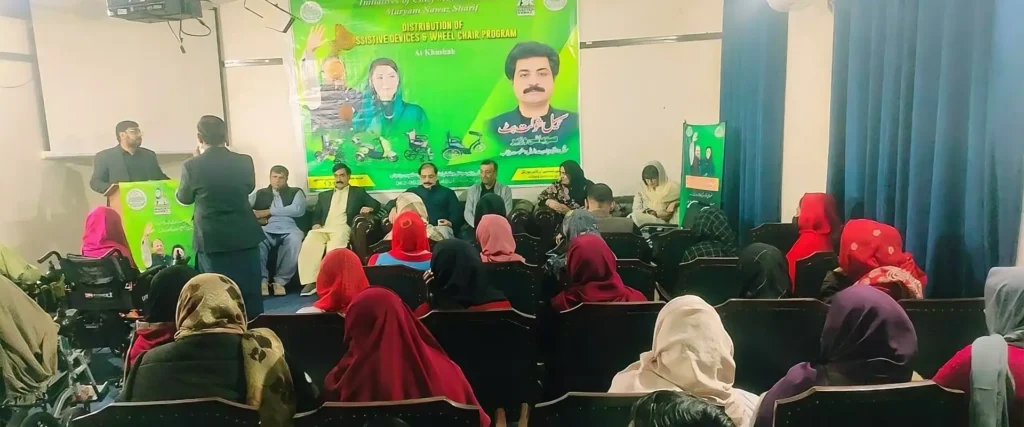
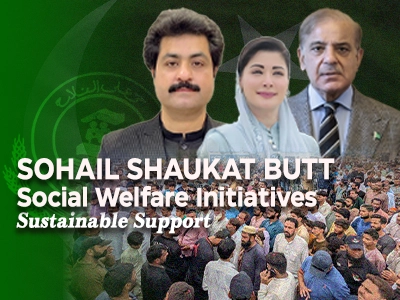
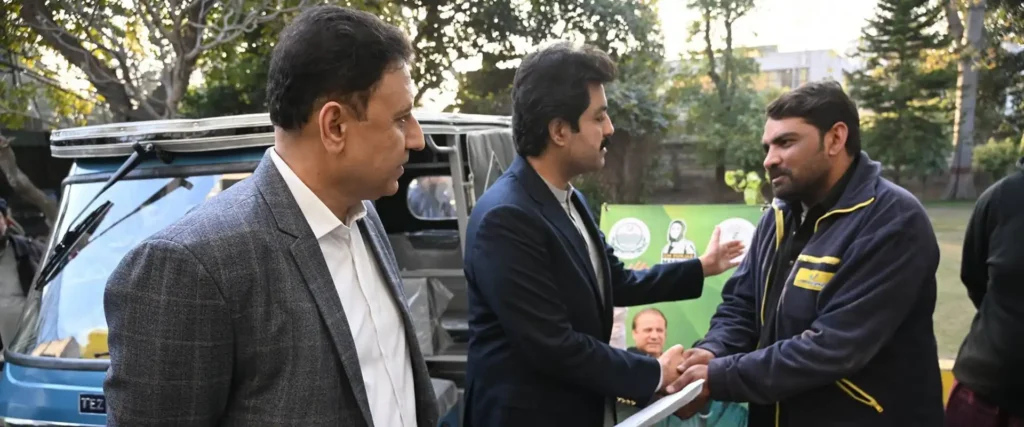
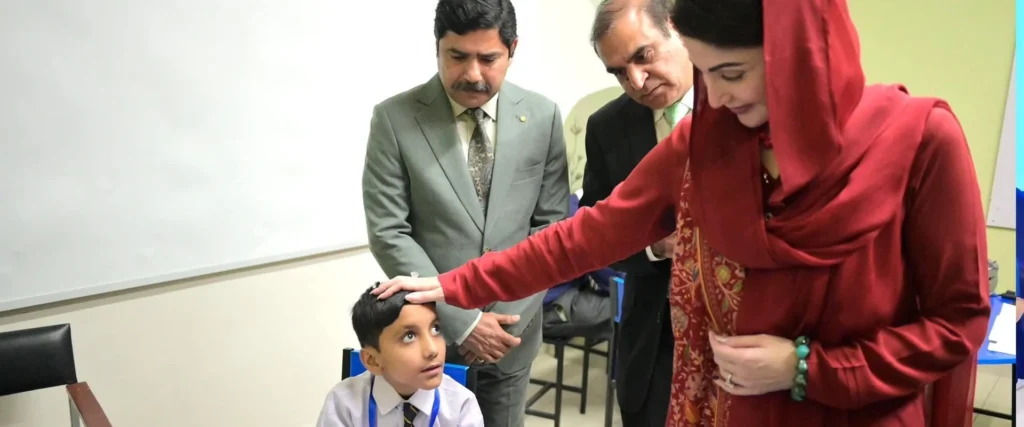
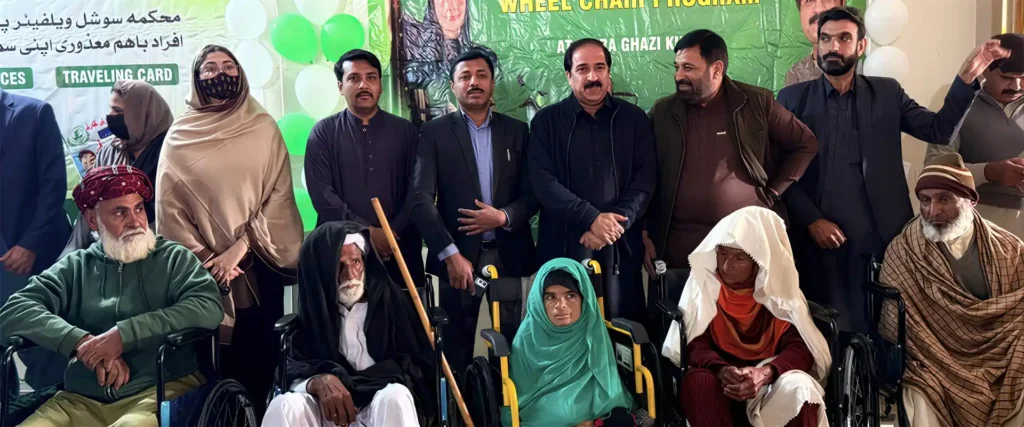
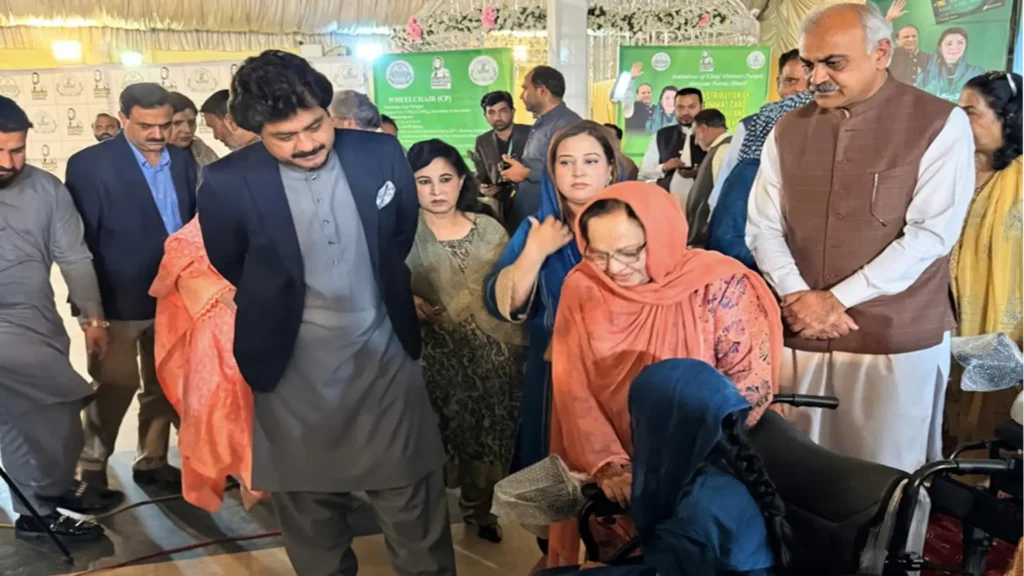
Provincial Minister for Social Welfare and Bait-ul-Mal Punjab, Sohail Shaukat Butt, attended the ceremony as the chief guest. His presence added value and confidence. It reflected leadership involvement at the ground level.
He addressed the gathering with clarity. His message focused on dignity, equality, and responsibility. He emphasized that no daughter should suffer due to financial limits.
Commitment to Welfare and Equality
Sohail Shaukat Butt highlighted the vision of Chief Minister Maryam Nawaz Sharif. He explained that the Dhee Rani Program is built on compassion. It rises above caste and religion.
His words reflected commitment, not promises. The program itself served as proof of action. This approach strengthens public confidence.
Welfare Efforts Across Different Cities
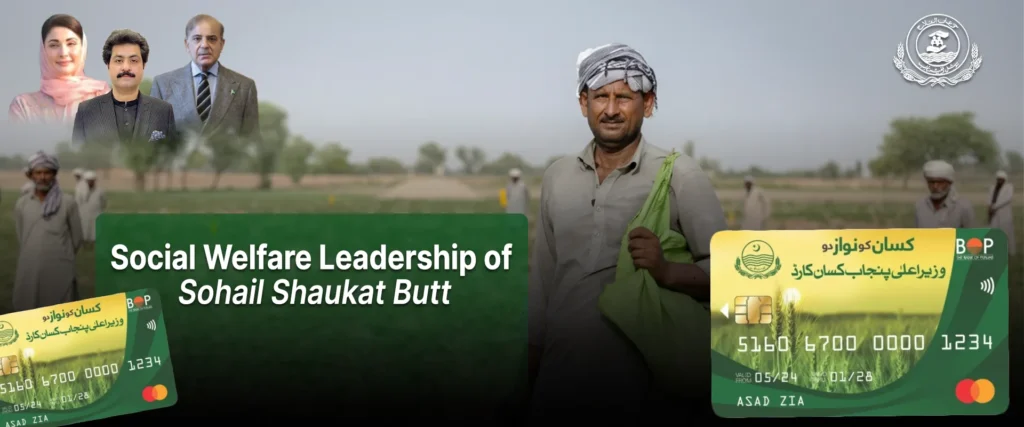
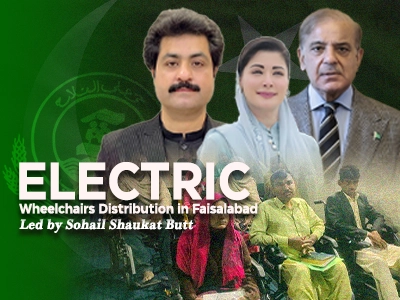
The efforts of Sohail Shaukat Butt extend beyond Lahore. Social welfare projects are active across Punjab. These programs focus on support, inclusion, and transparency.
Different cities benefit from structured welfare initiatives. This ensures balanced development. It also reduces regional inequality.
Strengthening Public Trust Through Action
Public trust grows through consistent delivery. Under this leadership, welfare programs show results. This builds long-term confidence.
People value action over statements. Programs like Dhee Rani Program Lahore deliver visible impact. This strengthens institutional credibility.
Role of the Secretary of Social Welfare and Officials
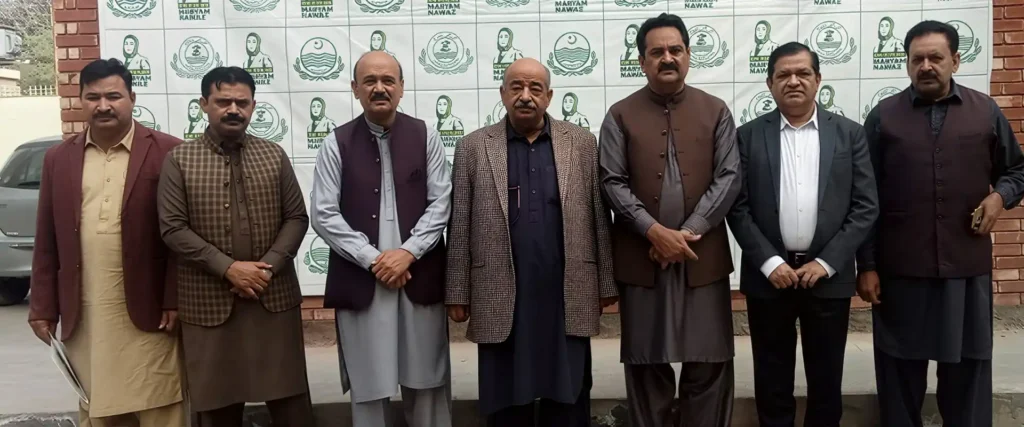
Secretary of Social Welfare, Ms Saira Umar, attended the ceremony. Other senior officials were also present. Their involvement reflected strong coordination.
Administrative support ensures smooth execution. Clear roles reduce delays. This structure supports efficient service delivery.
Social Impact of the Dhee Rani Program Lahore
The social impact of this program is significant. It reduces financial pressure on families. It also prevents social exclusion.
Collective wedding programs promote dignity. They reduce unnecessary competition. Families focus on values rather than expenses.
The program also creates awareness. It encourages community support. These effects strengthen social cohesion.
Promoting Dignity Over Charity
The Dhee Rani Program Lahore focuses on dignity. It avoids a charity-based image. Instead, it offers respectful support.
This approach protects self-respect. Beneficiaries feel valued, not dependent. This difference matters.
Equality Beyond Social Differences
The inclusion of minority communities sends a strong message. Welfare is not selective. It belongs to everyone.
This equality promotes harmony. It also strengthens national unity. Programs like this set a positive example.
Alignment With Modern Welfare Governance
Modern welfare systems focus on structure and transparency. The Dhee Rani Program Lahore follows this model. It uses verification, planning, and accountability.
This approach ensures fair distribution. It also improves efficiency. As a result, public resources are used wisely.
Connection With Broader Social Welfare Goals
The program aligns with long-term social goals. It supports family stability. It reduces poverty-related stress.
Marriage support programs improve social outcomes. They reduce emotional strain. They also support community well-being.
Importance of Structured Government Welfare Programs
Unplanned aid creates confusion. Structured programs create results. The Dhee Rani Program Lahore proves this.
Clear processes protect both the state and citizens. They ensure justice and balance. This model should guide future initiatives.
Public Response and Community Appreciation
Families welcomed the initiative with gratitude. Community members appreciated the dignity shown. The positive response reflected trust.
Such feedback matters. It shows that welfare programs are reaching the right people. It also encourages future improvements.
Role of Communication and Transparency
Clear communication supports trust. Families understood the process. This reduced misunderstandings.
Transparency also reduces rumours. It strengthens credibility. This practice should continue.
Looking Ahead: Future of the Dhee Rani Program
The success of the Dhee Rani Program in Lahore sets a standard. It shows how welfare can be respectful and effective.
Expanding such programs will benefit more families. Continued leadership and planning are key.
Conclusion
The Dhee Rani Program Lahore reflects a strong commitment to social welfare. Under the leadership of Chief Minister Maryam Nawaz Sharif and with the active role of Sohail Shaukat Butt, the program delivered real impact.
The involvement of the Social Welfare Department and Bait-ul-Mal Punjab ensured fairness and transparency. Financial support, inclusion, and dignity defined the initiative.
This program stands as a practical example of humanity and equality. It proves that thoughtful welfare policies can change lives. Through such efforts, society moves closer to balance, respect, and shared responsibility.