
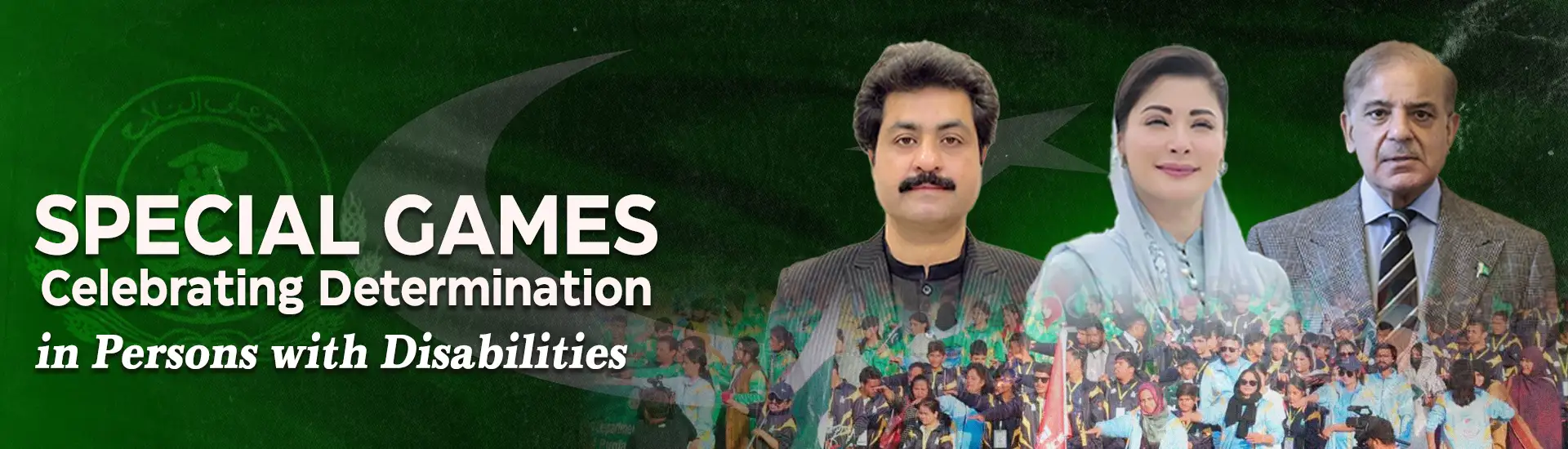
People with disabilities have special games, which are critical in contemporary society. They create space for growth. They build confidence. They restore dignity. Above all, they provide identical opportunities to proceed. For a long period of time, individuals with disabilities had not been identified in the field of sports. This fact is, however, altering.
Winning is not the only thing about sports. They are about effort. They are about belief. They are concerned with inner power. Special games are potent in design. They assist people in dealing with physical difficulties. They are also enhancers of mental strength.
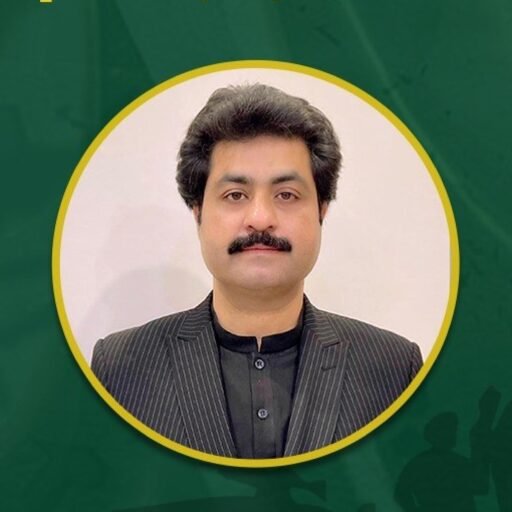
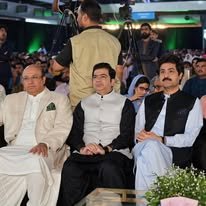
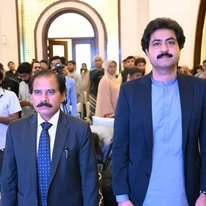
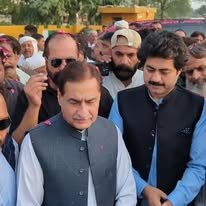
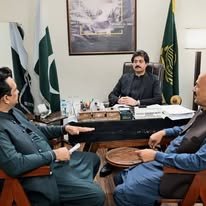
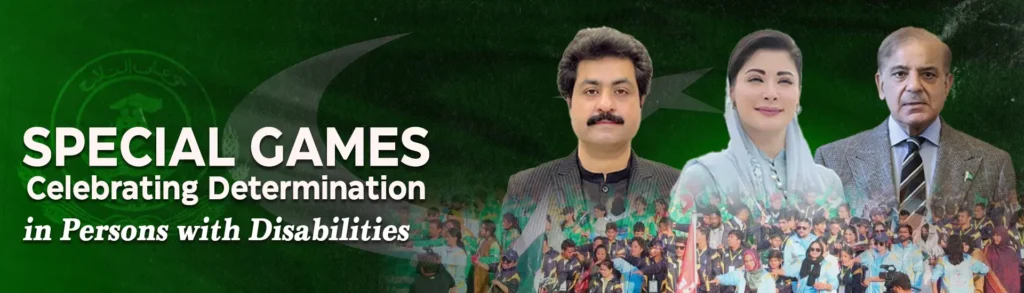
Leadership is relevant in this journey. Vision matters. Action matters. The minister of the Social Welfare Department, Sohail Shaukat Butt, realizes that this is his duty. He, along with Bait-ul-Mal, offers the design of special games. These games are a robust platform. They inspire determination. They create inclusion. They make people with disabilities proud.
This blog describes the way special games played by persons with disabilities determine their lives. It also emphasizes leadership, planning and long-term social impact. The language is easy to understand in each section. Each idea remains clear. The mission remains to be empowerment-oriented.
Patients with Social Barriers and Disabilities
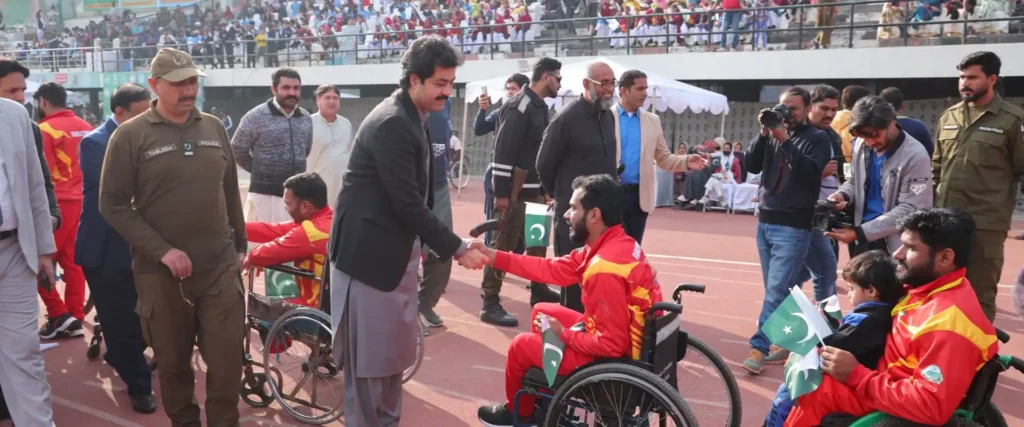
Disabled persons deal with challenges in their everyday lives. Other obstacles are physical. Others are emotional. Many are social. In most cases, society puts up obstacles unintentionally. Buildings lack access. Events ignore inclusion. Opportunities are still few.
Ability is, however, not defined by disability. Each individual has potential. What they need is access. They need support. They need respect. Hence, games focused on people with disabilities should be special and should cover real needs. Such games should take into account mobility, victimization, and comfort.
In addition to that, social acceptance is a major factor. Through viewing inclusive sports, society becomes opinionated. Fear reduces. Understanding grows. This results in inclusion and makes inclusion normal.
Significance of Special Games to Persons with Disabilities
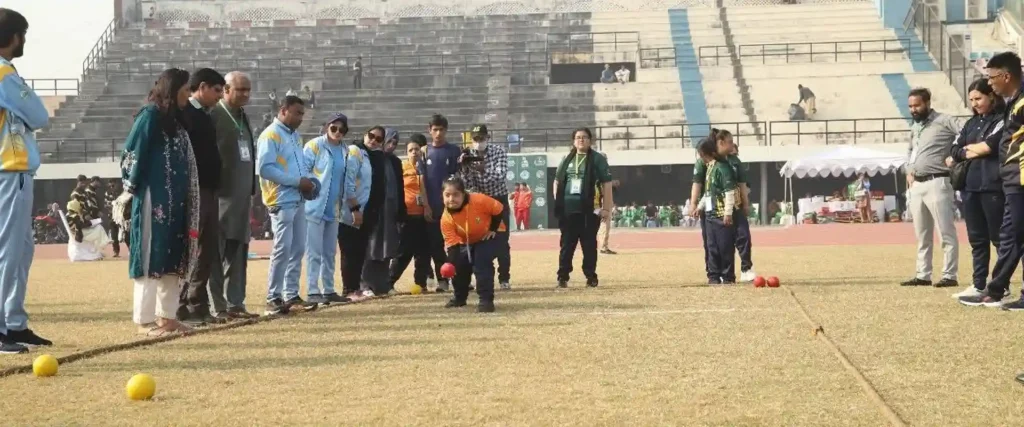
People with disabilities have special games in which they have more than one activity. They provide purpose. They give motivation. They create structure. Sports help the participants feel appreciated.
To begin with, games are good for physical health. Exercise makes muscles stronger. Frequent exercise helps maintain equilibrium. It also enhances coordination.
Second, games have a beneficial effect on the mental state. Participation increases confidence. Anxiety reduces. Focus improves. Gradually, perseverance is intensified.
Thirdly, social interaction is promoted through games. Individuals interact with fellow students. They share goals. They rejoice in achievement.
Special games are not optional, therefore. They are essential.
Sports as a Determination and Confidence Tool
In determination, it does not come in one day. It grows with effort. The growth is facilitated by sports. Patience is developed in every practice. Every struggle is a lesson in survival.
In the process of engaging in sports, persons with disabilities are subject to restrictions. Nevertheless, they also get to know how to go beyond them. This is a process that creates confidence. It shows what is possible.
In addition, there is a discipline which sports teach. Routines are taught to participants. They learn teamwork. They learn commitment.
Consequently, trust is not limited to the field. It appears in education. It supports careers. It improves daily life.
The Role of Inclusive Sports in Social Development
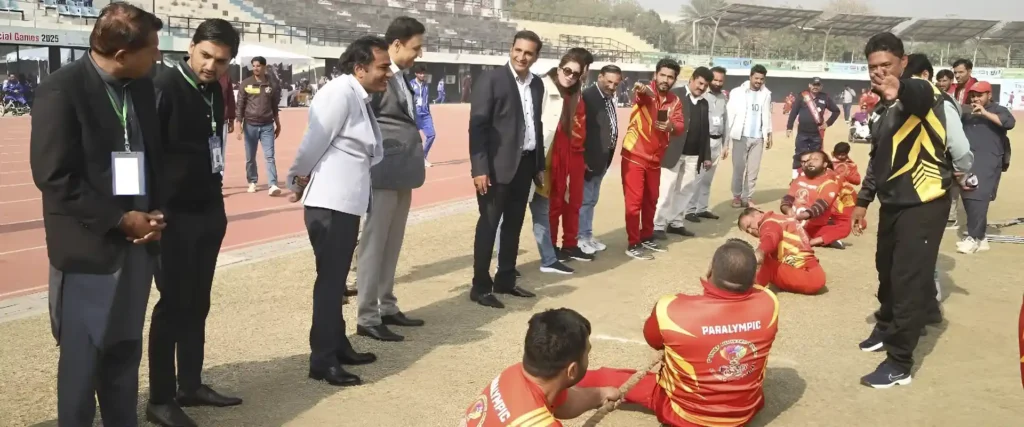
Inclusive sports unite people. They break walls. Instead, they substitute pity with respect. Social bonds are strengthened when special games are sponsored by communities.
Children are taught to accept at a young age. Adults learn empathy. Society grows kinder.
The isolation is also minimized in inclusive sports. A variety of persons with disabilities feel isolated. Sports reunite them with society. They feel seen. They feel heard.
In this manner, the disabled are moulded into a healthier society through special games.
Social welfare department vision
The Social Welfare Department plays a very significant role. Its purpose is based on dignity. It helps suffering populations. It encourages participation equality.
The department goes beyond aid under strong leadership. It builds opportunity. It is geared towards long-term inclusion.
This vision is associated with special games. They are in favour of rehabilitation. They promote self-reliance. They promote self-worth.
The department allows access through policy support. It promotes teamwork, as well. This would lead to a greater number of people receiving programs.
Sohail Shaukat Butt is the leader of the company
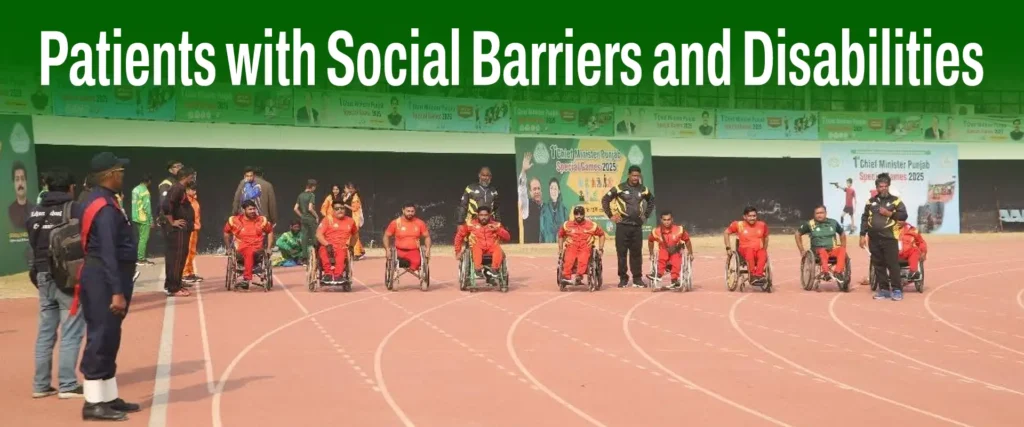
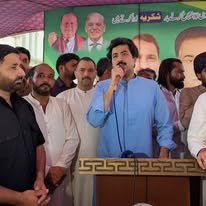
Leadership brings ideas into practice. Sohail Shaukat Butt is an action-oriented person. He is the minister of the Social Welfare Department and is in favour of inclusion on all levels.
His focus stays practical. He is a believer in platforms and not promises. He empowers through sponsoring special games to persons with disabilities.
He realises that you should be seen. The society keeps up with its leaders, promoting sports that are inclusive. His approach builds trust. It also builds hope.
Moreover, his leadership promotes teamwork. Various organizations collaborate. Resources align. Goals become achievable.
Donation of Bait-ul-Mal on Inclusive Development
Bait-ul-Mal is a supportive party. It provides resources. It supports programs. It strengthens outreach. Bait-ul-Mal assists special games through cooperation with the Social Welfare Department. Such assistance involves financial assistance. It also includes logistics.
This support guarantees sustainability. Programs continue. The participants are kept interested. Additionally, Bait-ul-Mal is interested in dignity. Support comes with respect. This is a method that is in line with the objectives of empowerment.
Developing Special Games to be accessed
Special games are to be designed carefully. It demands understanding. The needs of each participant are different. To begin with, there is accessibility. The venues should be mobile-friendly. Equipment must be adaptable. Safety remains a priority.
Secondly, regulations must be flexible. Games are supposed to adapt to the level of ability. Dealings with competition should not be unfair.
Thirdly, trained personnel are significant. Coaches need awareness. They should know physical constraints. They are also obliged to inspire positively.
Thus, effective design is guaranteed, and participation is not fearful.
Adaptive Sports and Inclusion
The adaptive sports can be modified. They remove barriers. They promote equal play.
Inclusion is supported by wheelchair sports, guided activity and modified equipment. Such accommodations do not make things easier. Instead, they create balance.
The other benefit of adaptive sports is creativity. New formats emerge. Respondents investigate skills in diverse ways. Consequently, sports are made accessible to everyone.
Building an Athlete Disability Platform
Visibility is achieved through platforms. Visibility creates respect. People with disabilities have special games that offer recognition. They are treated with respect towards the athletes. Their work receives recognition. This appreciation increases belief.
In addition, platforms motivate people. Persons with disabilities who are young do view role models. They feel motivated. Society is also educated through public platforms. They show strength. They show skill. They remove stereotypes.
Special Games have a psychological effect
The power of the mind will be built by being involved. Sports reduce stress. They improve focus. That is a sense of accomplishment for the participants. Even small progress matters. This builds self-belief.
Also, collaboration promotes psychological well-being. Shared goals create bonds. Naturally, support systems are created. Consequently, the state of mental well-being gets better progressively.
Communities and Social Impact on Families
Family influences are beneficial due to special games. Parents see growth. Siblings feel pride. Communities also benefit. Awareness increases. Support networks expand.
Inclusive events unite people. They develop collective experiences. Therefore, the effects are not limited to participants.
Sports and Training of Sports
Sports impart good skills. Time management improves. Leadership emerges. Communication strengthens. These competencies favour learning. They also favour employment.
Sports enable the participants to be disciplined. They learn goal setting. These lessons apply to life. As such, special games are useful for general development.
Surmounting Obstacles in Inclusive Sports
Challenges exist. The infrastructure is still poor in certain regions. Awareness may be low.
However, solutions exist. Training programs help. Access is enhanced through policy support. There is also community involvement. Local support is a guarantee of continuity.
Planning enables the handling of challenges.
Sustainability and Policy Support
The policy needs to support sustainability. Long-term planning matters. Funding is guaranteed by government assistance. Guidelines are clear, which means quality.
Programs become better with proper monitoring. Feedback helps growth. Therefore, sustainability can still be attained.
The Future Prospectus of Special Games in Pakistan
The future holds promise. Expansion remains possible. Regional programs can grow. The youth should be engaged more. The inclusion can be supported in schools. Talent can be brought out through national events. Exposure internationally may take place. With sustained leadership, progress is achieved.
Role of Media and Awareness
Media shapes perception. Inclusion is facilitated by positive coverage. Determination stories are inspirational. Others are driven by success stories. Awareness reduces stigma. It also builds respect. Thus impact is enhanced by media support.
Establishing a Non-Discriminatory Sports Culture
Culture changes with action. Inclusive sports are models. Equality comes as a follow-up to inclusion.
This culture can be developed through special games played by persons with disabilities. They remind society of common mankind.
Long-Term Social Benefits
Sports are inclusive, thereby eliminating inequality. They promote fairness. Communities grow stronger. Social unity improves. Economic involvement can also work out. Assertive people give more. Thus, the benefits last long.
Perseverance as a Motivating Force
Success is motivated by suffering. Sports nurture this quality. Every struggle makes it stronger. Each effort builds belief. Sports enable persons with disabilities to become more resilient. Such a conviction facilitates lifelong development.
Conclusion
Competition is not the only thing that special games for persons with disabilities provide. They offer hope. They offer dignity. They offer determination.
With the outlook of the Social Welfare Department, the headship of Sohail Shaukat Butt, and the assistance of Bait-ul-Mal, inclusive sports are empowered. Collectively, they generate platforms. They empower individuals. They inspire society.
These games change lives. They reshape perspectives. They demonstrate that ability is all over.
Through sponsoring special games, the society is advancing. Inclusion becomes reality. Decision-making becomes evident.